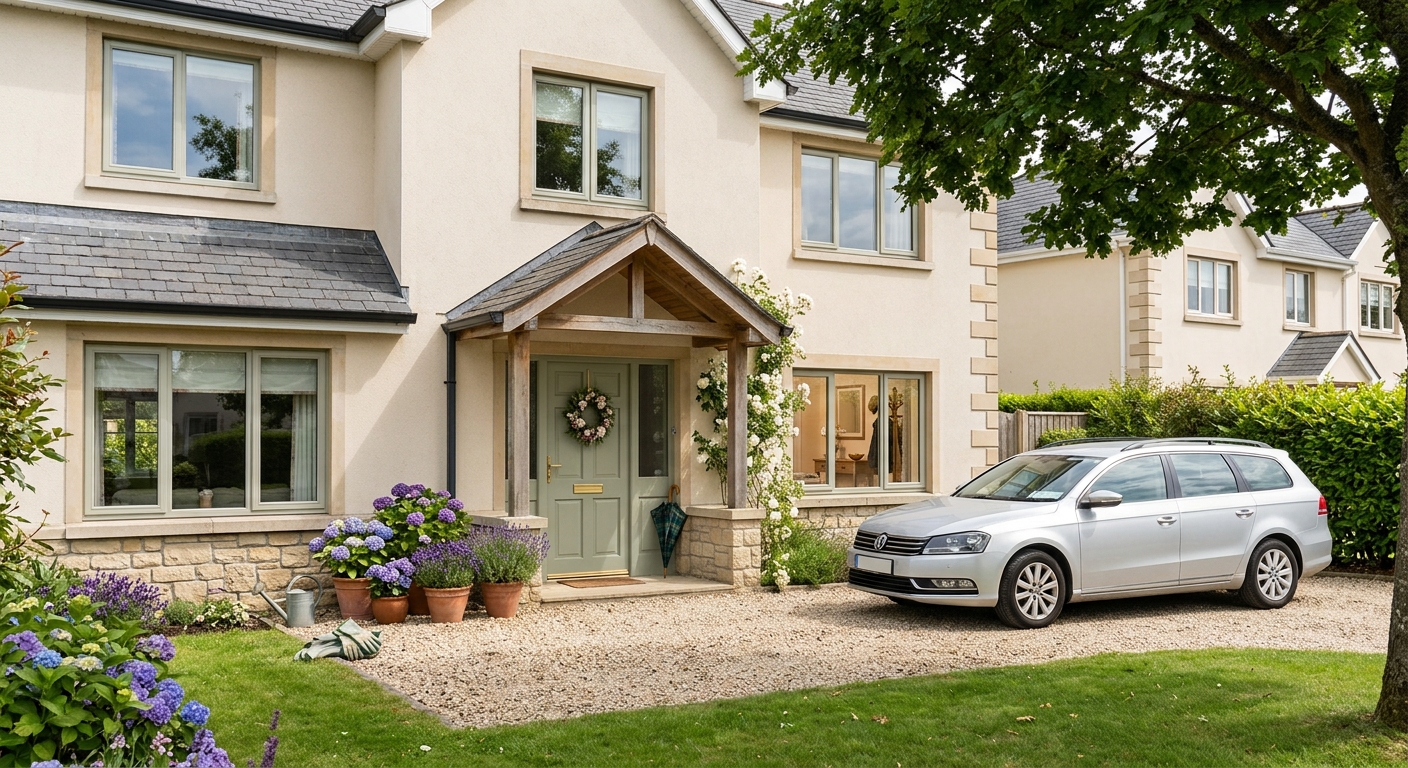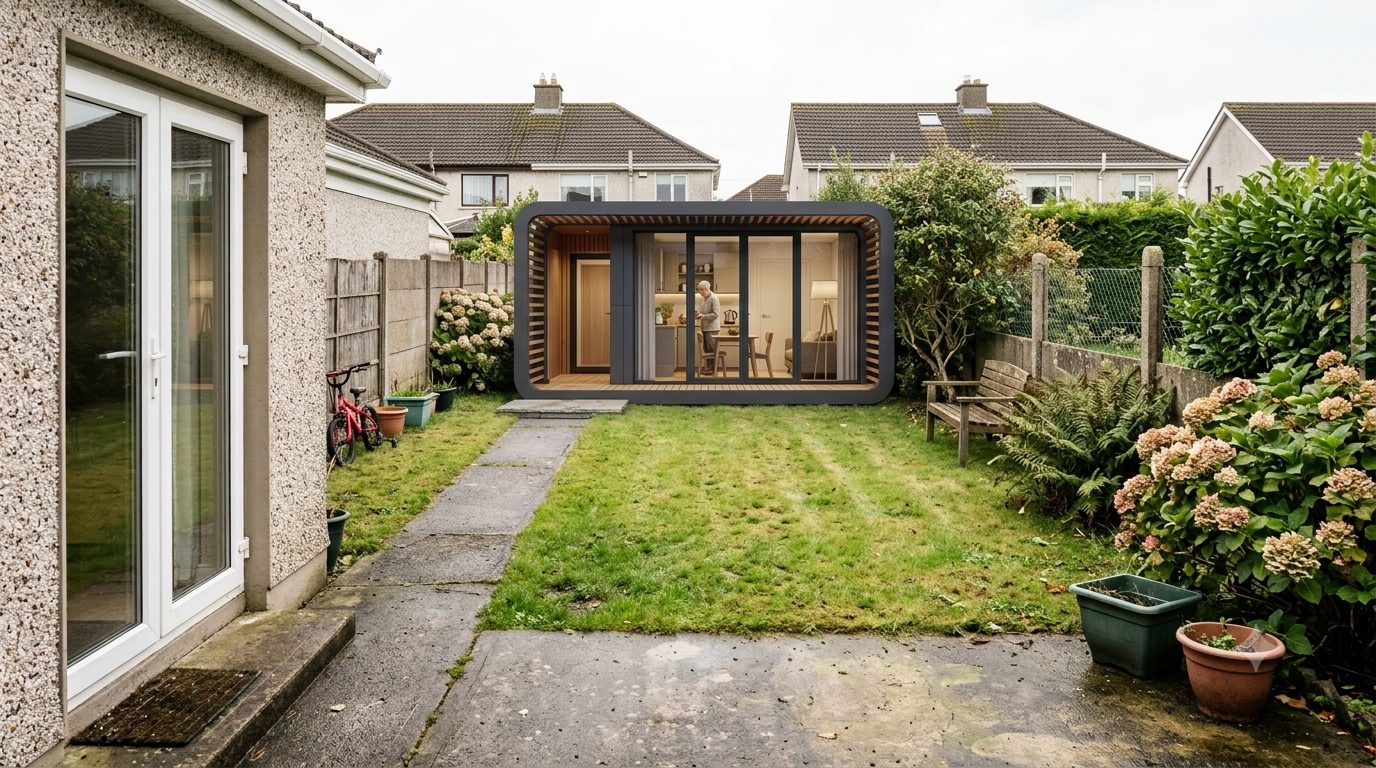
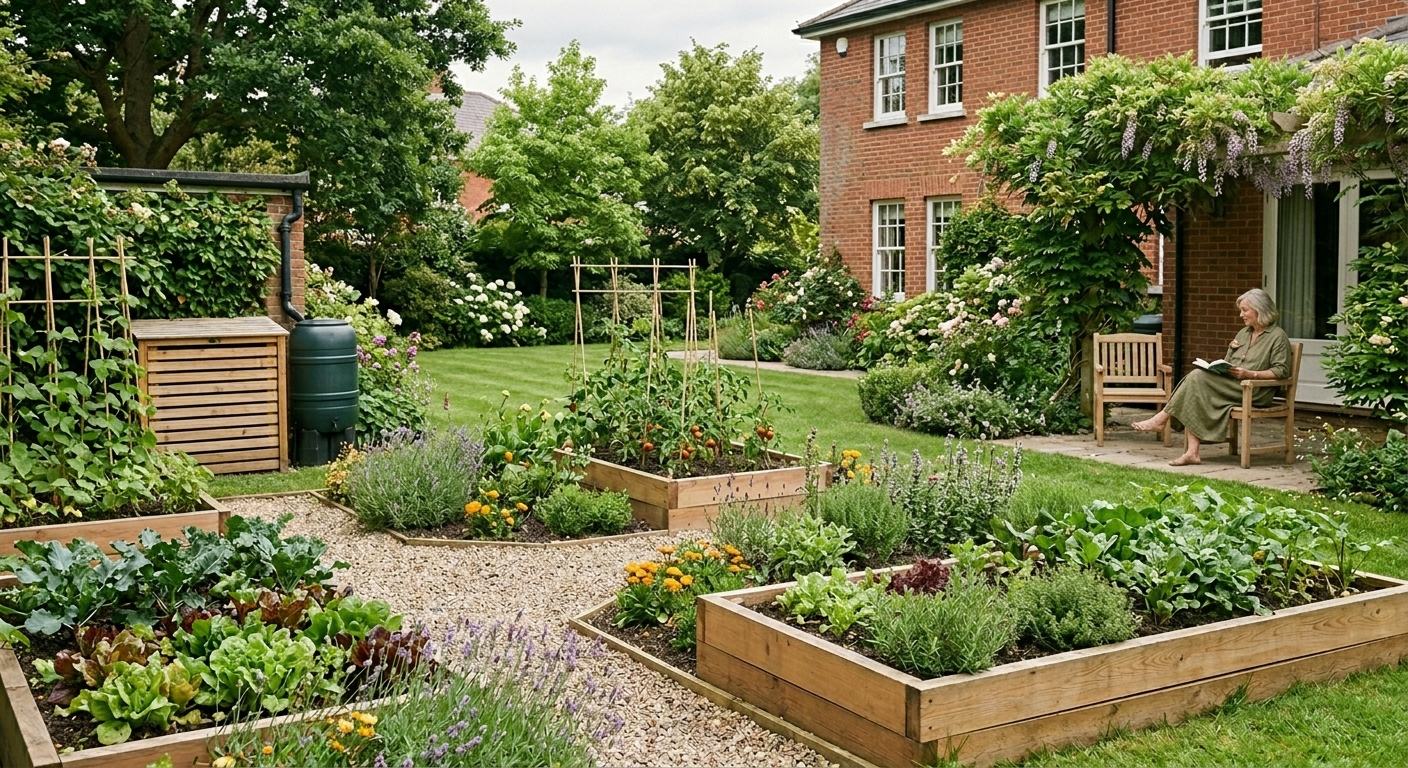
What if the quiet corner was the part somebody needed?
Most gardens have a corner that is barely used. Somebody nearby may have been looking for exactly that.
You do not have to give up the garden. You choose the part you are comfortable sharing, you decide whether to start at all, and it stays yours to end.
- For somebody without a garden, it could be somewhere to grow.
- They may live only a few streets away. Neither of you currently knows the other exists.
Fingal County Council manages approximately 900 allotments across four sites, and did not accept new applications for Powerstown or Turvey for the 2026 season because those waiting lists were full. Dún Laoghaire-Rathdown closed both of its sites — 136 plots at Goatstown, 95 at Shankill — to new applications in September 2024.
- Which part You decide what part of the garden you are comfortable sharing. Together you agree the practical boundaries, access and how the space will work. A useful growing space is smaller than people expect, and it is worth saying early if you would rather nothing permanent went up.
- Coming and going Agreed hours, and an agreed way in. Side access matters more than anything here. If the only route is through the kitchen, choose a different corner.
- How long A growing season is the natural unit. Agree the notice either of you gives, and what happens to anything still growing.
- Produce and costs A share of the harvest is the commonest arrangement. Agree who provides compost and timber, and whether there is an outside tap.
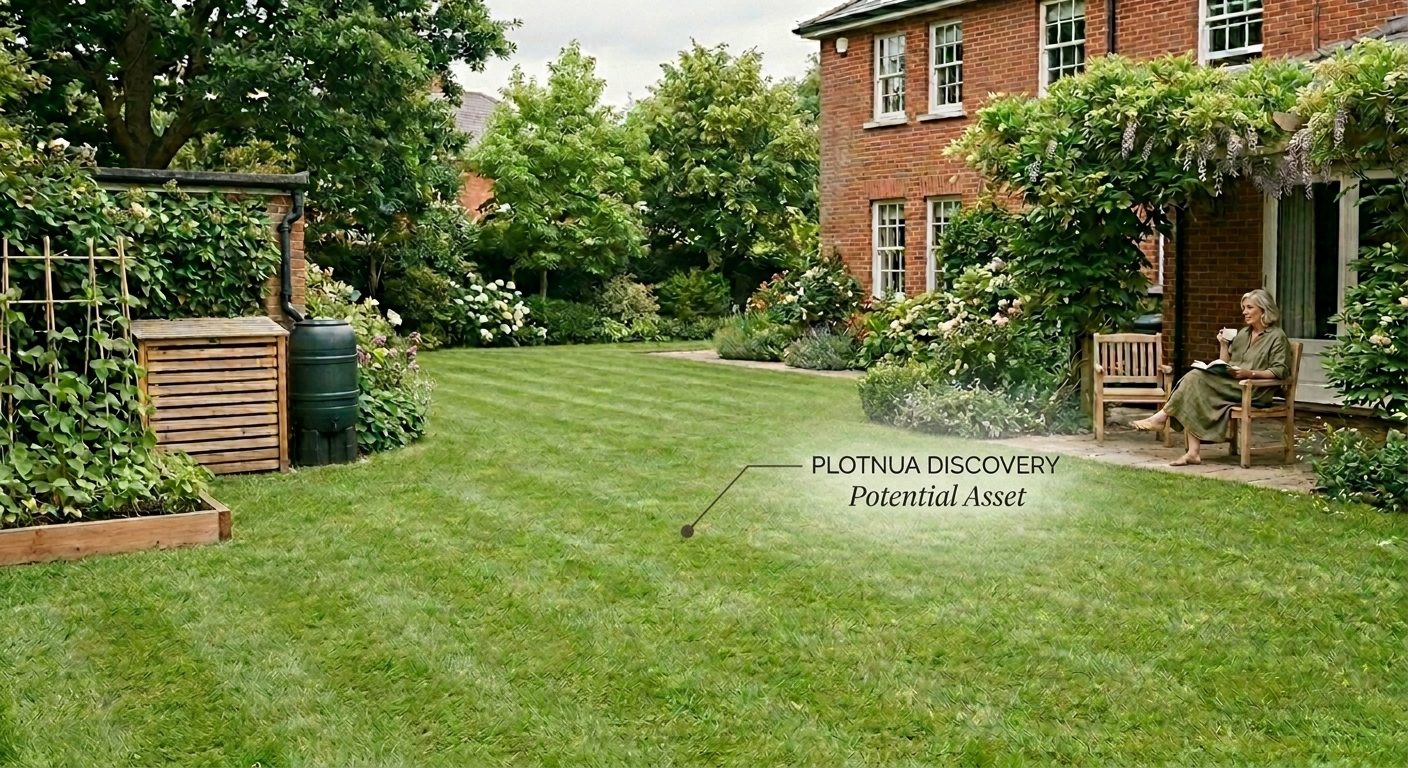
Cut every fortnight. Used twice a year.
Three things worth settling first.
- Access Keep using the garden, and it stays your garden. What matters is how the arrangement actually works rather than what it is called. Walking through your own ground is the protection.
- Insurance Tell your insurer before anyone starts. Cover for visitors is standard on an Irish household policy, but somebody growing food in your garden is not an ordinary social visit. One phone call settles it.
- Money Payment is optional, and it is income. Plenty of arrangements involve no money at all. If you do take a seasonal payment, it is income and is taxable in the normal way.
Finding somebody, and what to write down
An early Irish attempt at the same problem. Homegrown.ie is a free Irish service that registers growers and garden owners separately and introduces them only when both sides agree, with exact addresses kept private. It is early and unproven: on its own published figures it had 78 grower requests, three offers of space and no completed matches, with demand last reviewed in August 2026, and it is still recruiting its first ten hosts. The insurance cover it hopes to arrange is not in place. Worth knowing about, not yet a working route, and PlotNua has no relationship with it.
Write it down anyway. Nothing obliges you to, but the six things you agreed, on one page, signed by both of you, costs nothing, prevents most disagreements, and puts on record that this is permission to use ground rather than a letting.
Access, and telling your insurer
In practice. Keep the route through, keep the rest of the garden in normal use, and agree visiting hours rather than handing over a key to the whole property. None of this is a guarantee of any particular legal classification, and nothing here is legal advice.
Your insurer. Liability to visitors is standard on an Irish household policy, but Allianz states plainly that visitors to your home for business purposes are not covered on a standard home policy, and money changing hands is exactly the sort of detail an insurer will want to know about. Ask before anyone starts, not after.
The garden itself, and getting it back
Beds lift. Raised beds sit on top of the ground and can be taken away. Ask for beds rather than dug ground if you want the lawn back, and agree at the start who restores the area.
Ending it. A growing season is the natural unit. Agree the notice either of you gives and what happens to anything still in the ground, and the end of the arrangement is a conversation rather than a dispute.
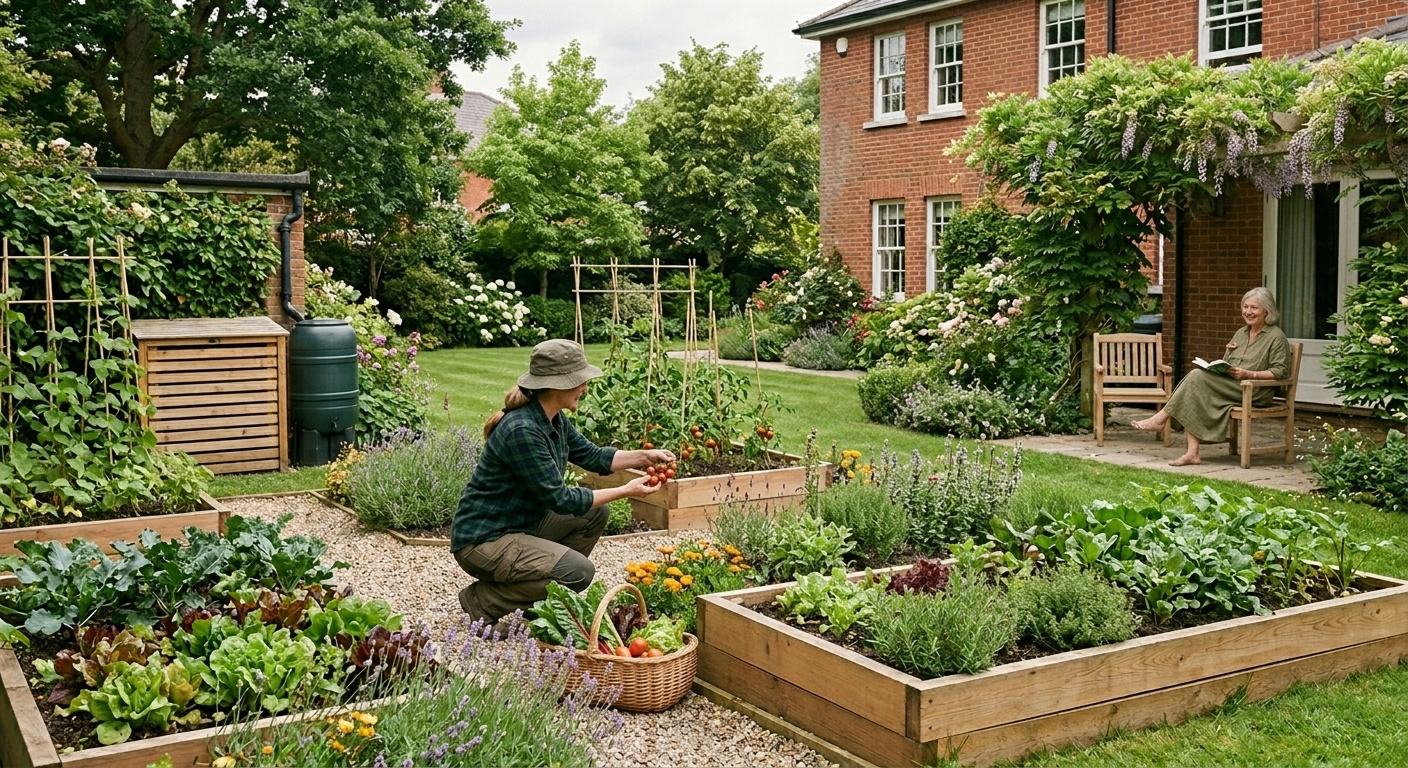
One person, a few hours a week, a basket at the end of it.
Three people are better off.
- The grower. Ground now rather than a place on a list.
- You. A garden that is looked after, more interesting to stand in, and producing something. The vegetables can be the smaller half of it.
- The road. Ground that produced nothing is producing something.
Nothing has to continue past one season. But the beds are built by then, and next spring is a much shorter conversation.
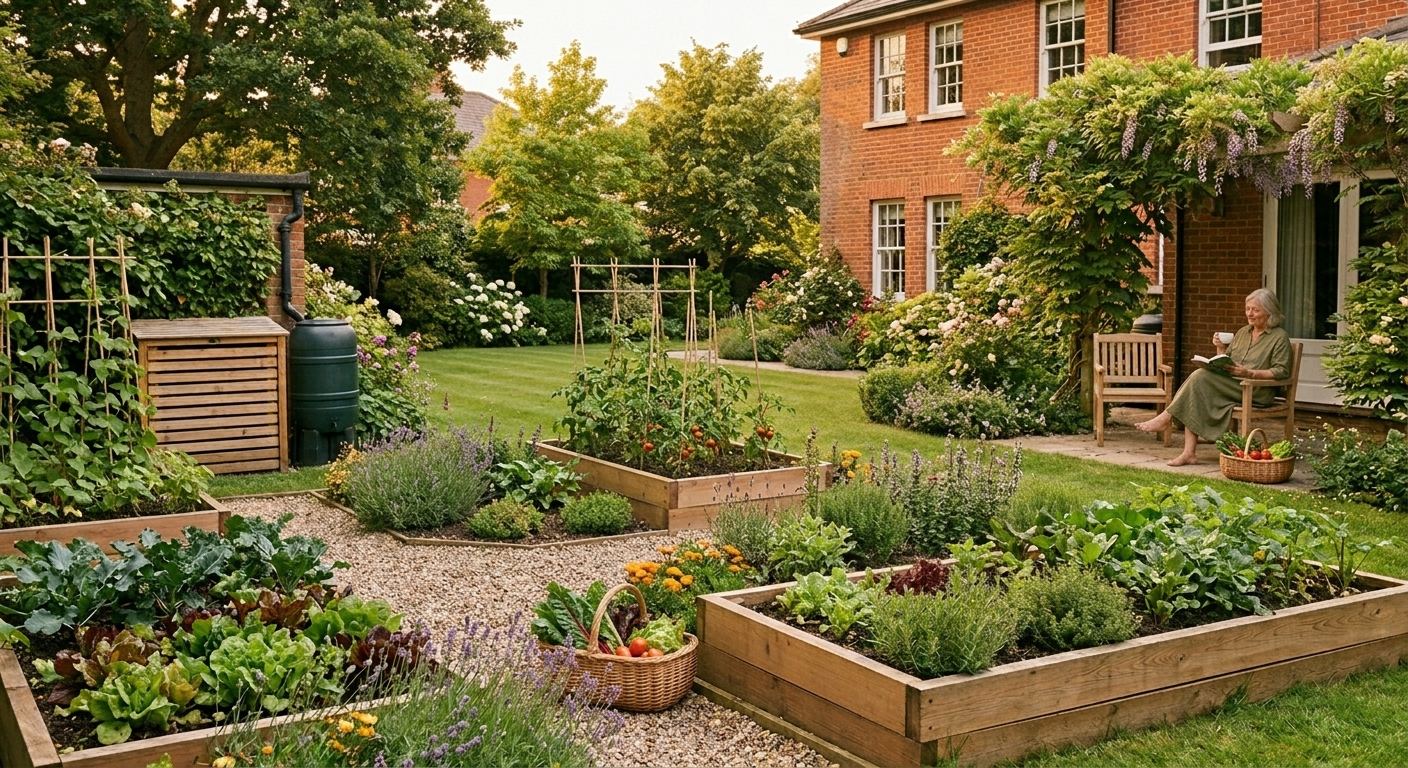
The garden did not get smaller. It got busier.
What if PlotNua could help you find each other?
Starting with an Eircode, a future version of PlotNua could identify whether a property has potentially shareable growing space, and show that people nearby are looking for somewhere to grow.
You would decide whether to explore it. If both sides were interested, PlotNua could help make a safe introduction.
This matching service is not live yet.