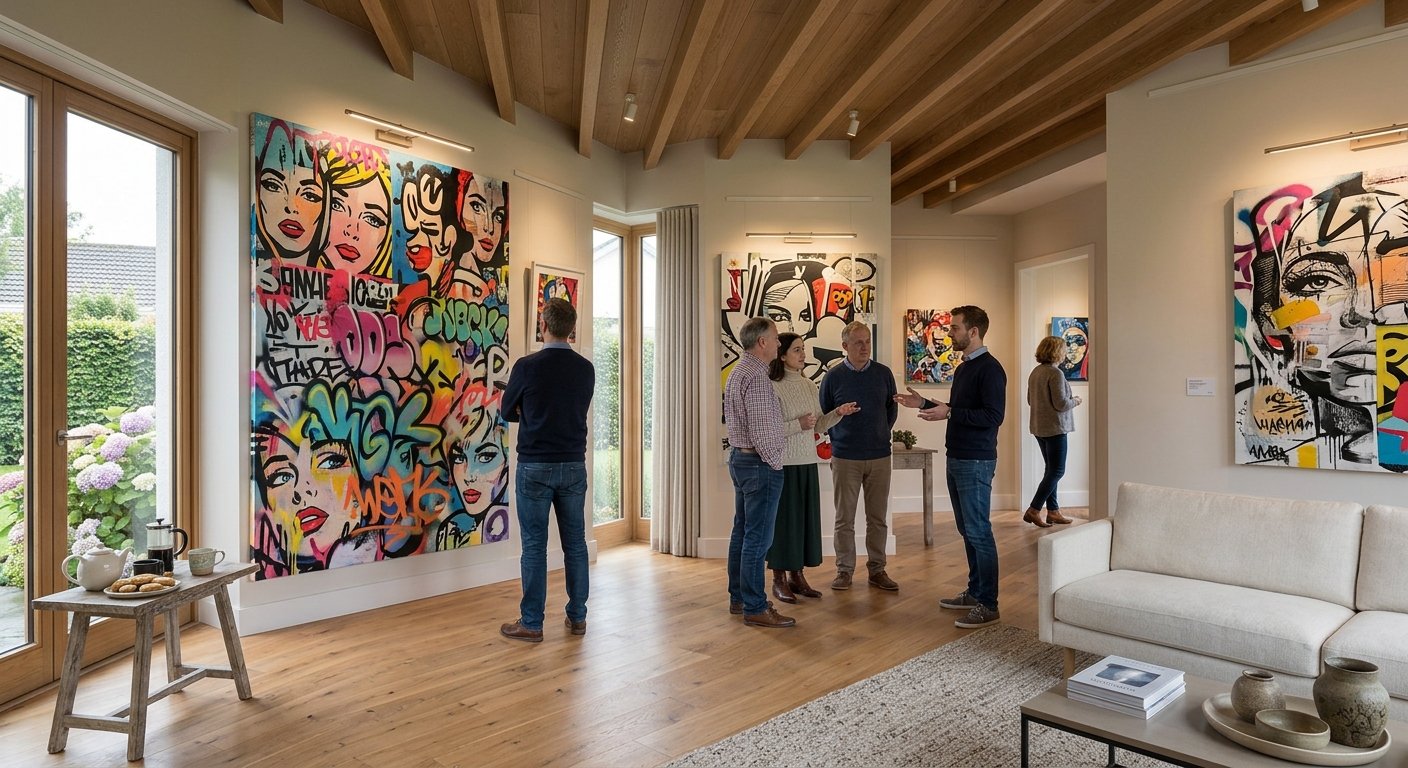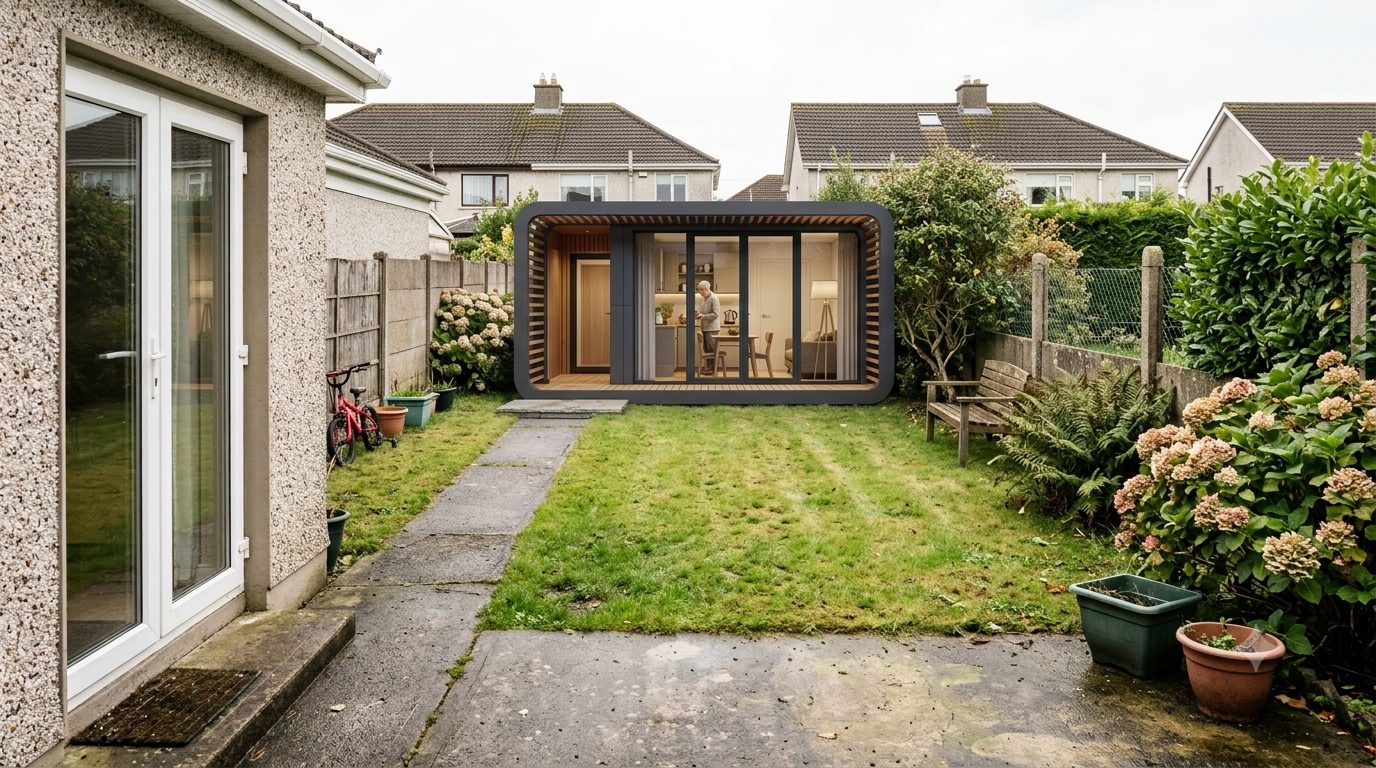
A blank wall is not a decorating problem.
Most people fill it with something from a homeware shop, chosen in an afternoon. That is not a failure of taste. It is what happens when the alternative feels like a world you need an introduction to.
There is another option, and it is more ordinary than it sounds: an original work by an artist living and working within an hour of your house.
A space you stopped noticing.
Original art looking for somewhere to live.
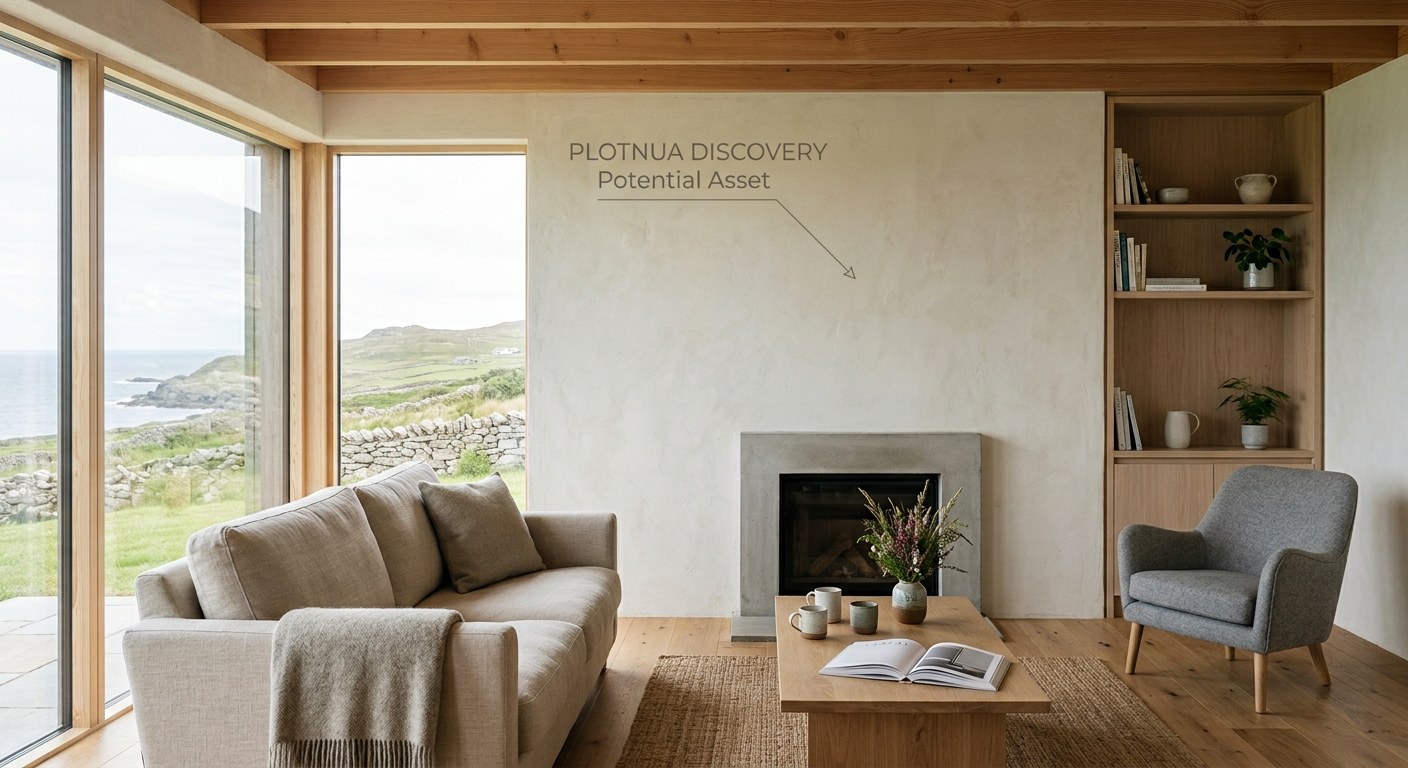
The wall most households stop noticing.
Original, print or limited edition.
Three words, used loosely. The difference decides the price and what you own.
- An original is the work itself — one painting, one drawing, one sculpture. There is no second copy.
- A limited edition is a set of identical prints from the same plate, screen or file, produced in a stated number and then stopped, usually signed and numbered.
- An open edition has no limit. More can always be printed, which is why it costs less.
No, and this assumption stops most people. Graduate shows, print editions, smaller works and emerging artists all sit well below what people expect.
PlotNua does not publish price guides. What a work costs depends on the artist, the medium and the size.
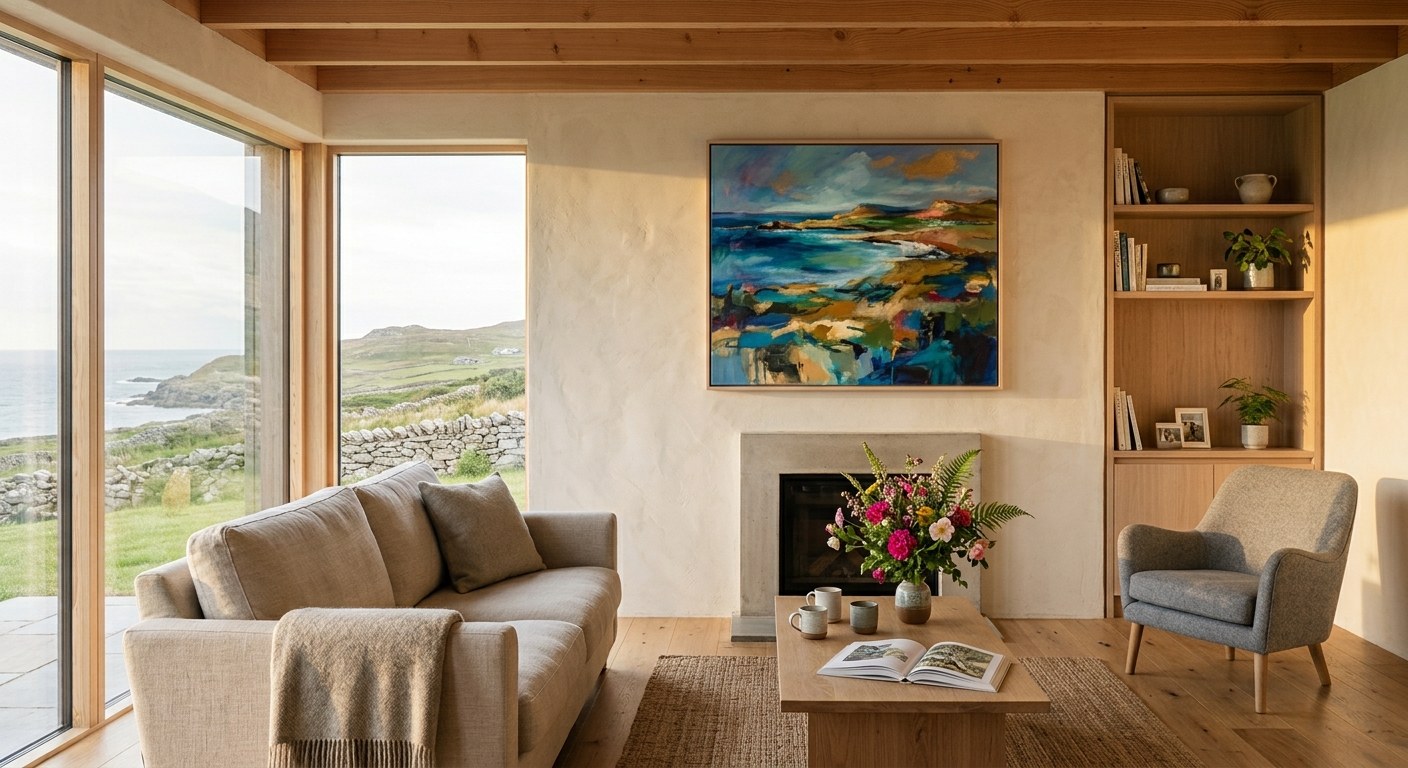
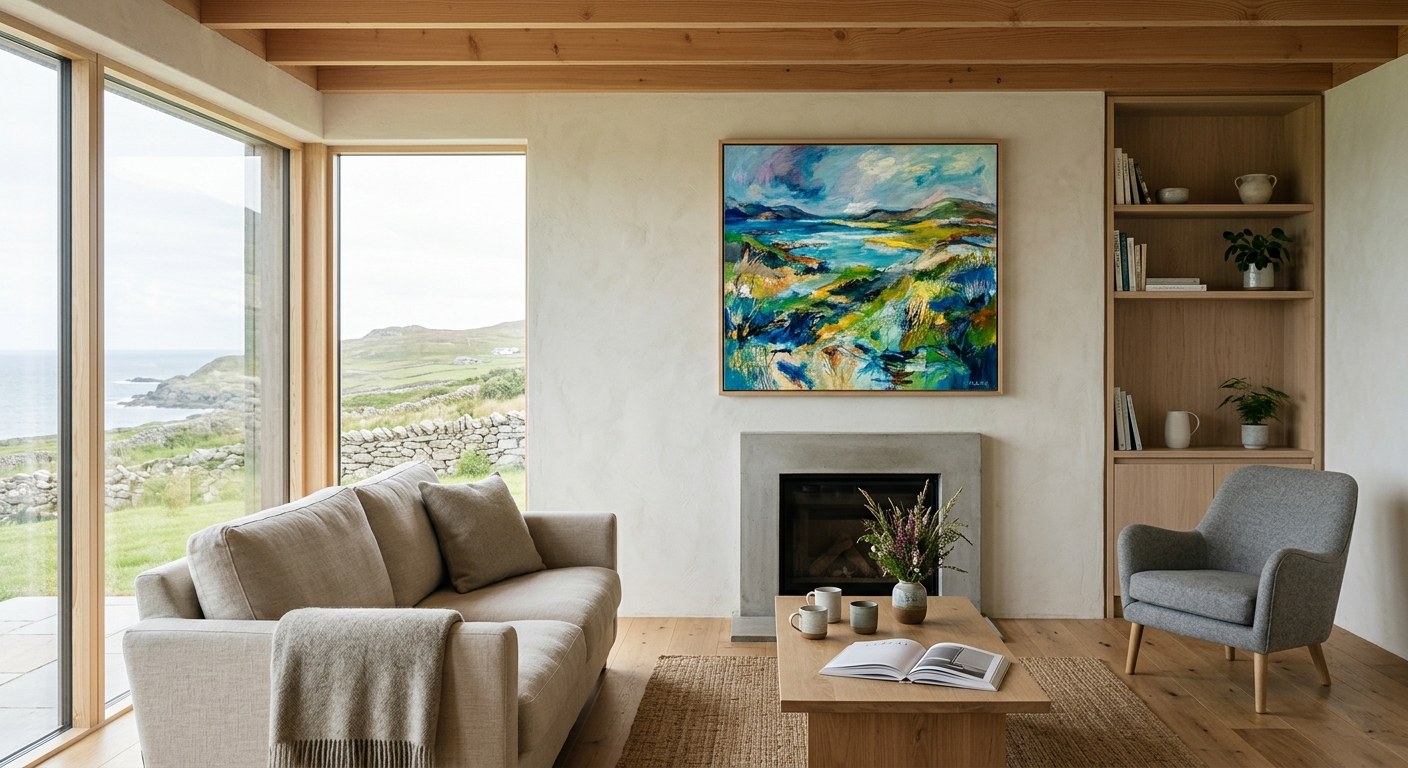
The same wall. A different room.
Most regrets are size regrets.
Not taste. Scale. A work that holds a gallery wall can look stranded above a sofa.
Size it against the furniture
Over a sofa or fireplace, aim for roughly two-thirds the width of the thing beneath it. Mark it on the wall in masking tape before you commit.
Hang it lower than you think
The centre should sit at about eye level, roughly 1.5m from the floor. Most people hang too high.
Look at the light
Direct sunlight fades works on paper and damages varnish. The wall opposite a south-facing window is the one to avoid.
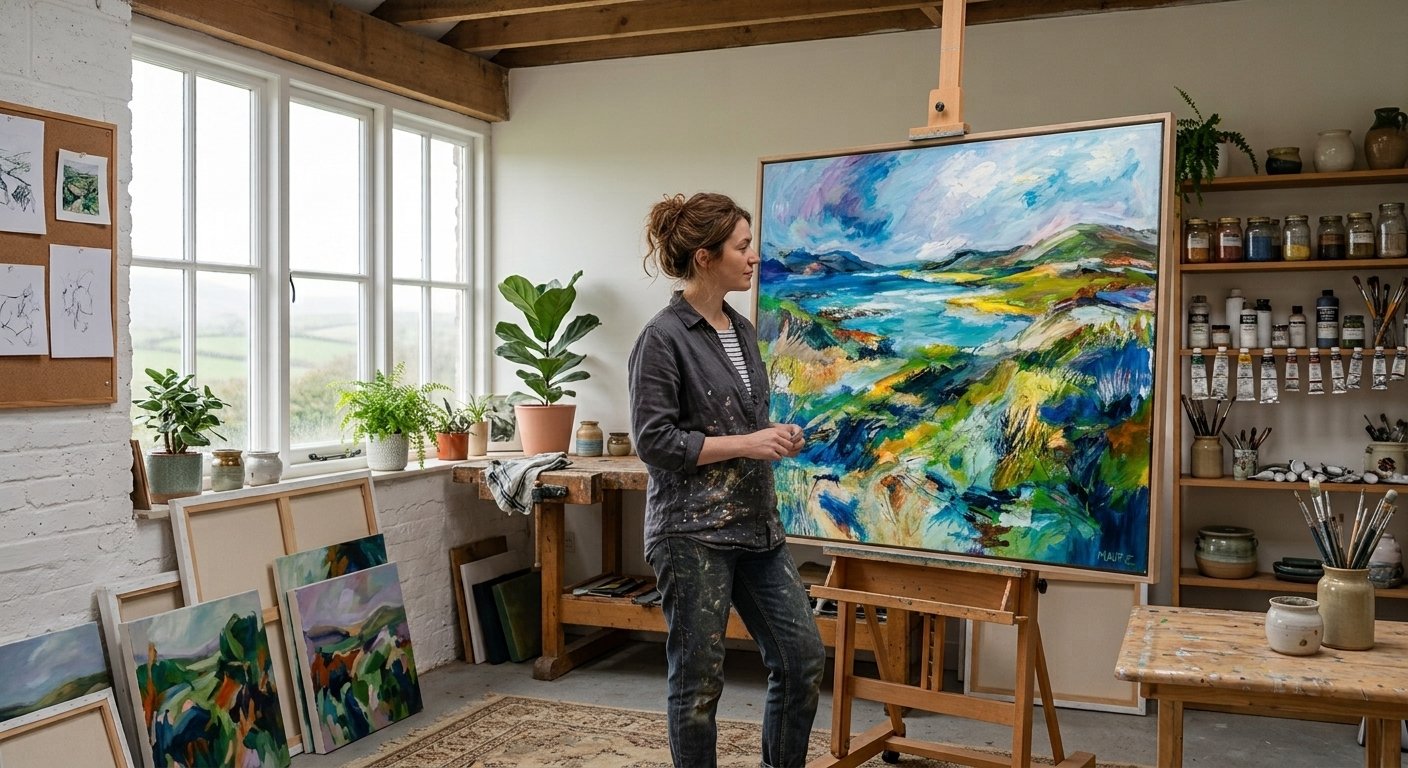
Someone makes it. You can usually meet them.
Four routes, and none of them require an introduction.
Open studios and Culture Night
Artists open their working spaces and you can buy on the spot. Culture Night runs nationwide on 18 September 2026, free, through local authority arts offices — more than 1,800 events in 2025.
Galleries and artist-run spaces
A gallery represents its artists and handles the sale. Visual Artists Ireland describes a 50/50 split as standard, though it varies.
Fairs and annual exhibitions
Art Source fills the RDS each November. The RHA Annual Exhibition runs free through the summer, everything for sale. The RDS Visual Art Awards show graduate work each winter.
Directly from the artist
Many artists sell from their own website or studio. The full price goes to the person who made the work.
Buying locally keeps the money in the room. Under the Artists’ Exemption, an Irish artist’s income from original painting and sculpture is exempt from income tax up to €50,000 a year.
Asking for something made for your wall.
A commission means the artist makes a new work for a particular space — the answer when you like an artist but not the work currently available.
Not every artist takes commissions, and there is no obligation to. Ask early rather than assuming.
Expect a deposit and a timeline. Commissions commonly involve a deposit up front, an agreed size and subject, and a lead time in months rather than weeks.
Agree what approval means before work begins — whether you see it in progress, and what happens if the finished work is not what you pictured.
Four things worth settling in writing.
- Whether the frame is included, and who pays for it if it is not.
- Delivery and installation. A large or heavy work needs proper fixings and sometimes a professional. Ask who normally does it.
- Insurance. Household policies often cap individual items. For a higher-value work, tell your insurer rather than assume.
- Copyright stays with the artist. Buying the work does not buy the right to reproduce it. Under the Copyright and Related Rights Act 2000 that right transfers only in writing, commissions included. Hanging it at home needs no permission. Exhibition sits outside the artist’s reproduction rights. Printing it on something does not.
Common questions.
Can I see how it will look before I buy?
Can artwork be moved or rotated later?
Can I spread the cost?
How do I know the price is fair?
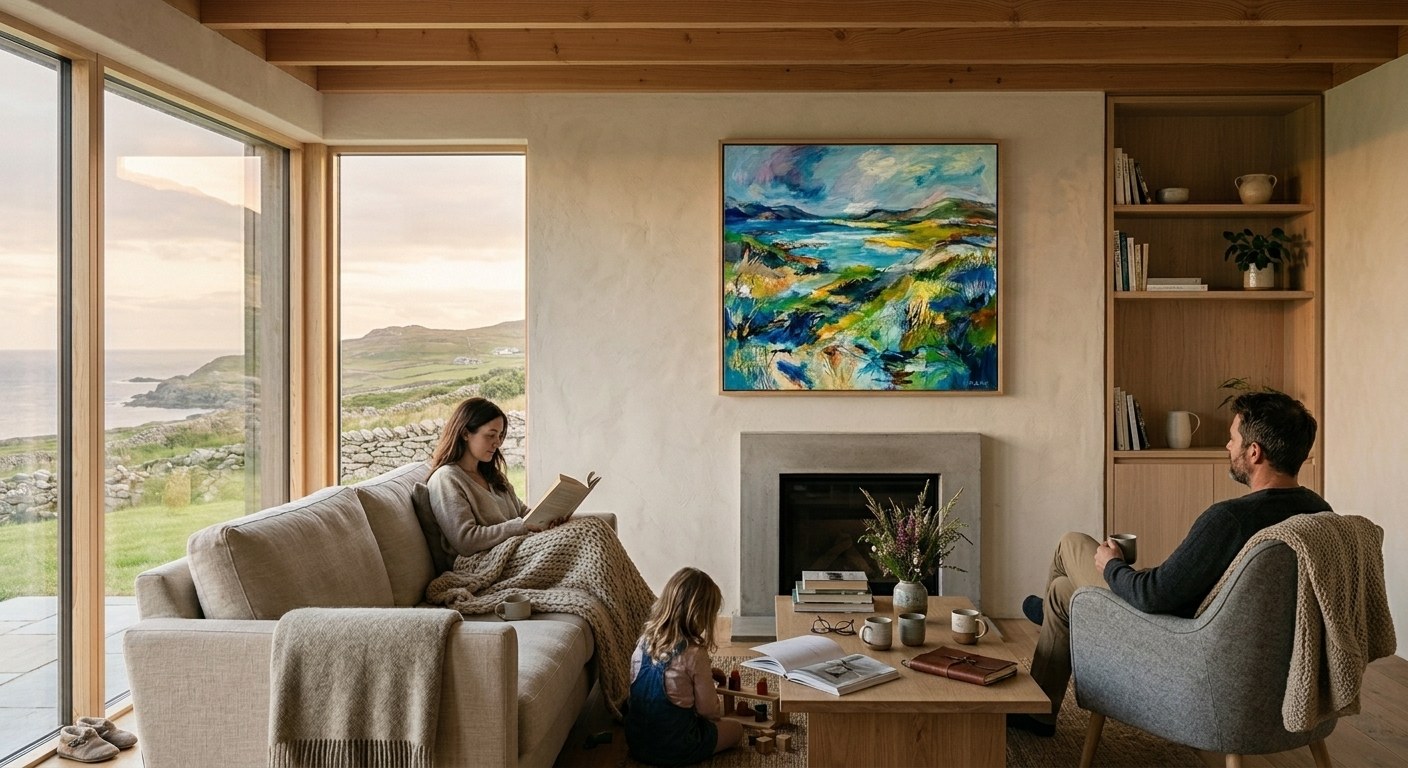
It stops being an event and becomes the room.
PlotArt is in development.
PlotArt is in development as a sister site to PlotNua — a place designed to help people discover original work by Irish artists and find something that feels right for their home.
For now, this Discovery is about showing what is already possible: looking beyond the usual places, finding the artists making work around you, and seeing your own walls differently.